












Seed Paper That Grows
Some of Our Clients
What we do
Seed paper


About Us
Seedpaper Europe was founded on a simple idea: to give paper waste a new lease of life. For more than four years, we have supplied plantable seed paper in Denmark — recycled paper that can be printed on, used, and later planted, allowing it to grow instead of becoming waste.
What began as a small project has grown into Denmark’s leading supplier of seed paper products for companies, events, and brands seeking greener alternatives. We transform paper waste into beautiful, functional products such as plantable name tags, biodegradable lanyards, and custom-made seed paper flyers for campaigns and corporate gifts.
At Seedpaper Europe, we believe in sustainability that creates real impact. We create paper that plants ideas — literally.
We envision a healthy and safe world built on sustainable values. Every day, we work to turn this vision into reality, together with our network of partners and experts in sustainability and green living.
Print on Seed Paper
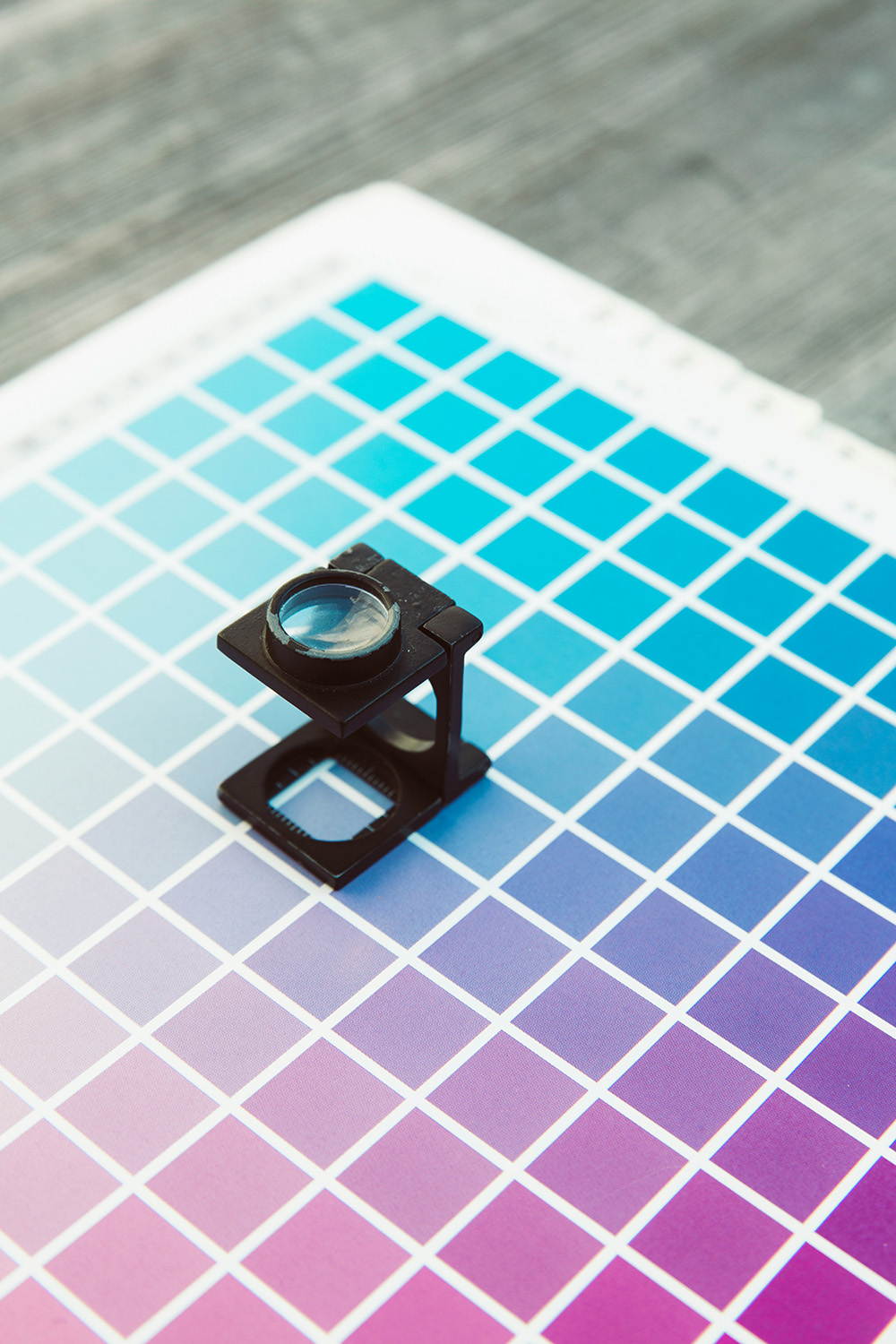
We specialize in professional, high-resolution printing on seed paper. Our process ensures vibrant color, crisp detail, and complete seed viability. Whether you need full-color illustrations, minimalist text, or custom branding, we tailor each print to bring out the beauty and texture of plantable paper.
Choose from eco-friendly inks and a variety of seed blends to create a product that’s both visually stunning and environmentally responsible.
- Seed paper Flyers
- Seed paper Bookmarks
- Seed paper Note Cards
- Seed paper Name Tags
- Seed paper Tags
- Seed paper Notebooks
- Seed paper Business Cards
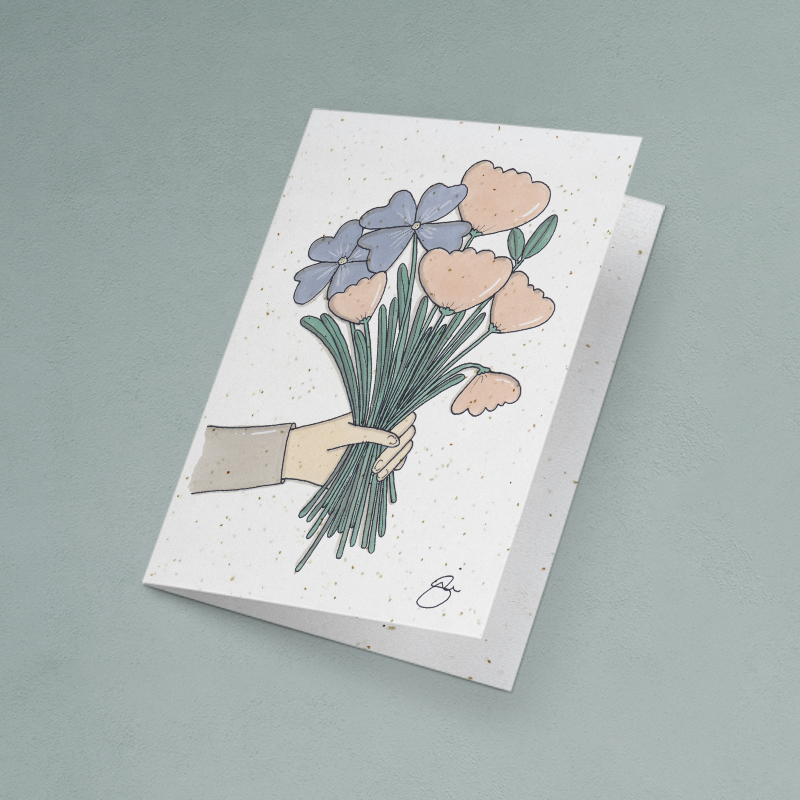
- Seed paper Greeting Cards
our products

Seed Paper Flyers
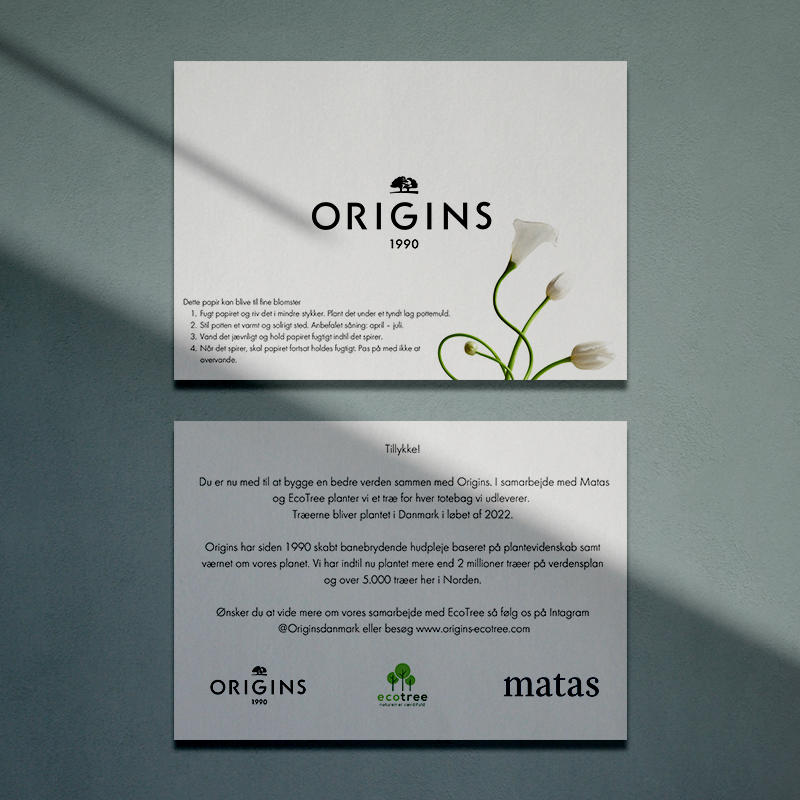
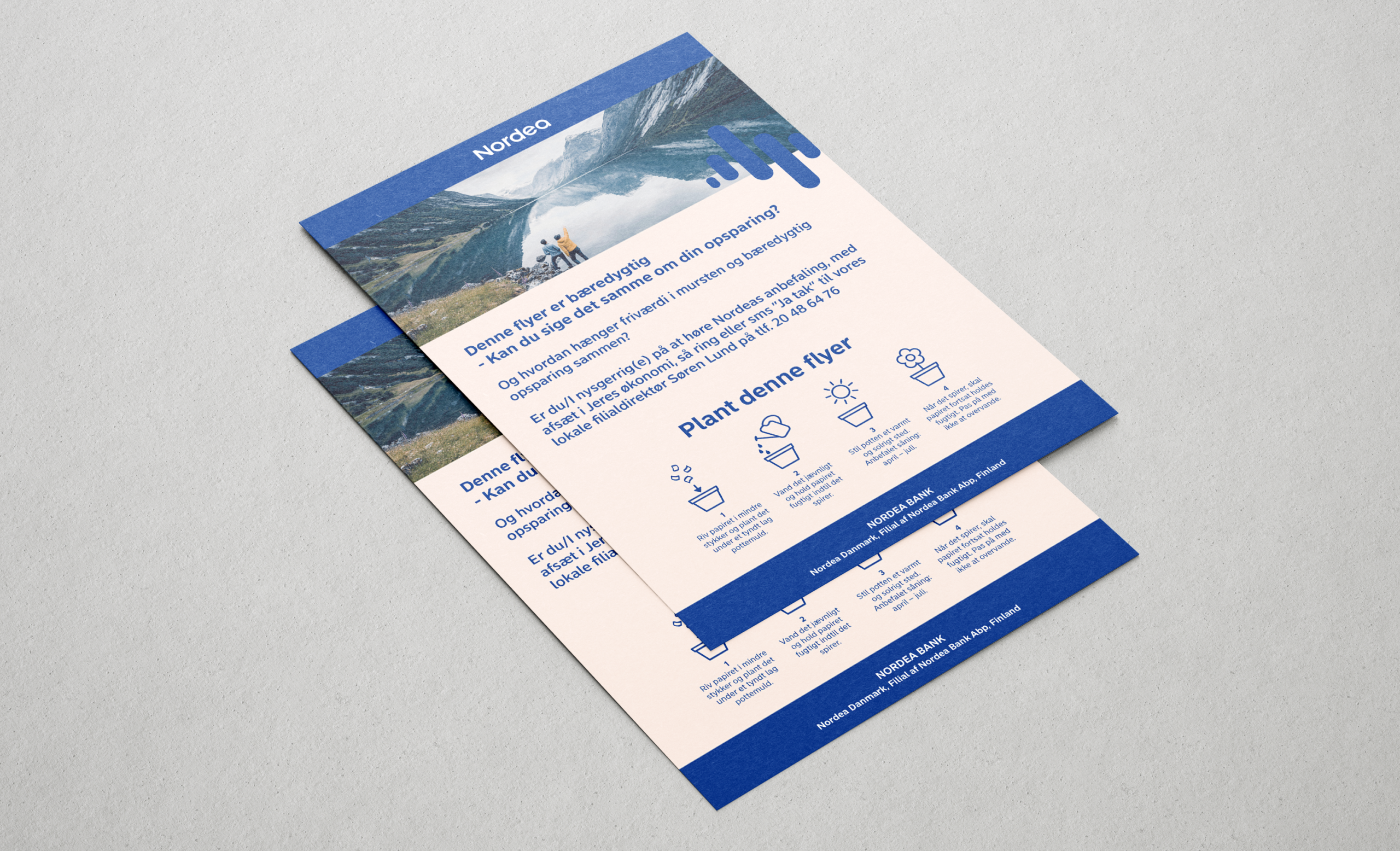
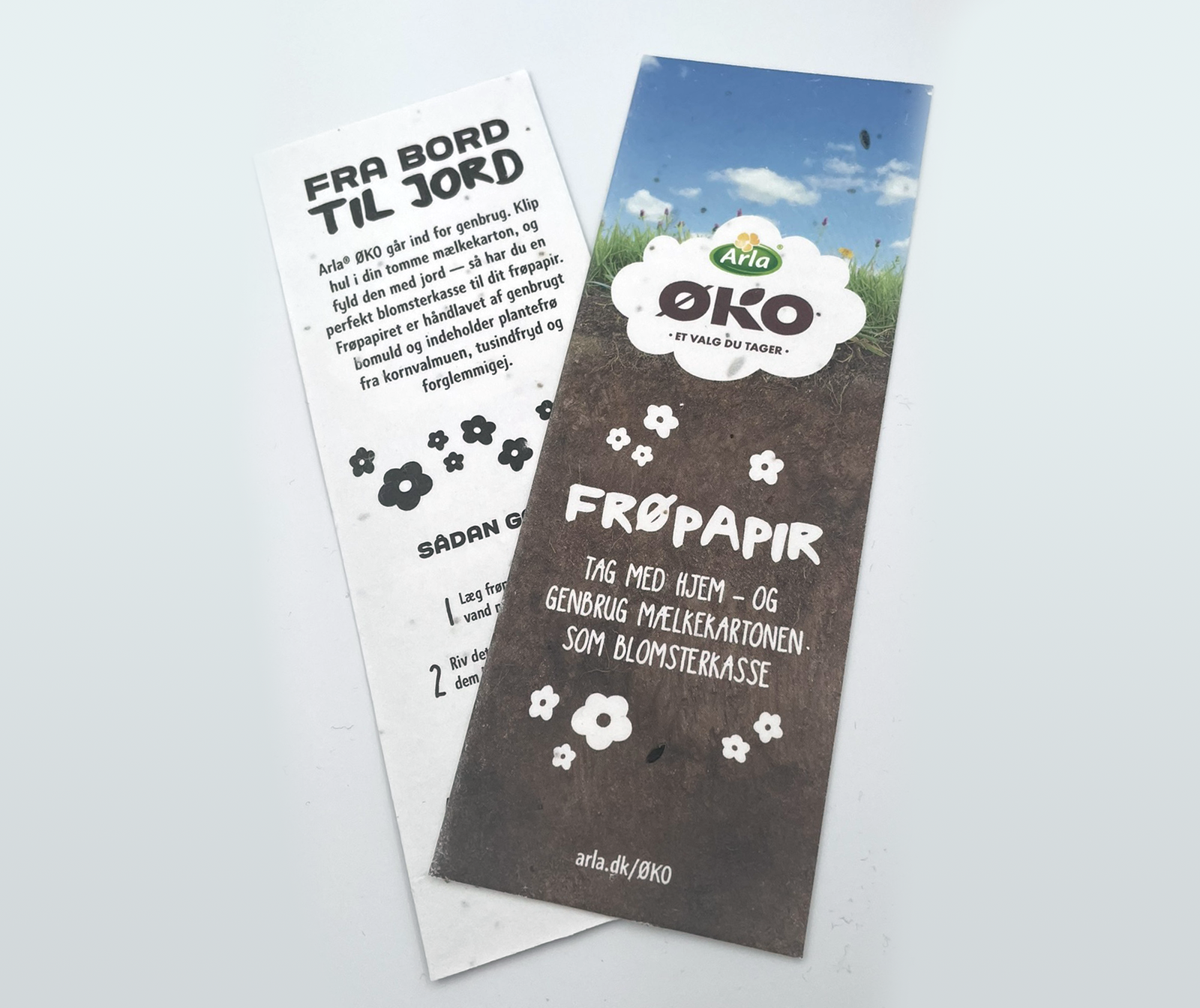
Spread your message sustainably with custom seed paper flyers. Printed on high-quality, eco-friendly plantable paper, our flyers don’t just communicate — they grow. Perfect for events, environmental campaigns, product launches, and brand promotions, each flyer can be planted to sprout beautiful flowers. Choose from multiple seed types and printing options to match your brand’s personality.

Seed Paper Name Tags
Make your events eco-friendly with seed paper name tags. Perfect for conferences, meetings, and workshops, these tags reduce single-use waste while creating a memorable experience for attendees. After the event, guests can plant their name tags and watch them grow—an unforgettable keepsake.
Seed Paper Bookmarks
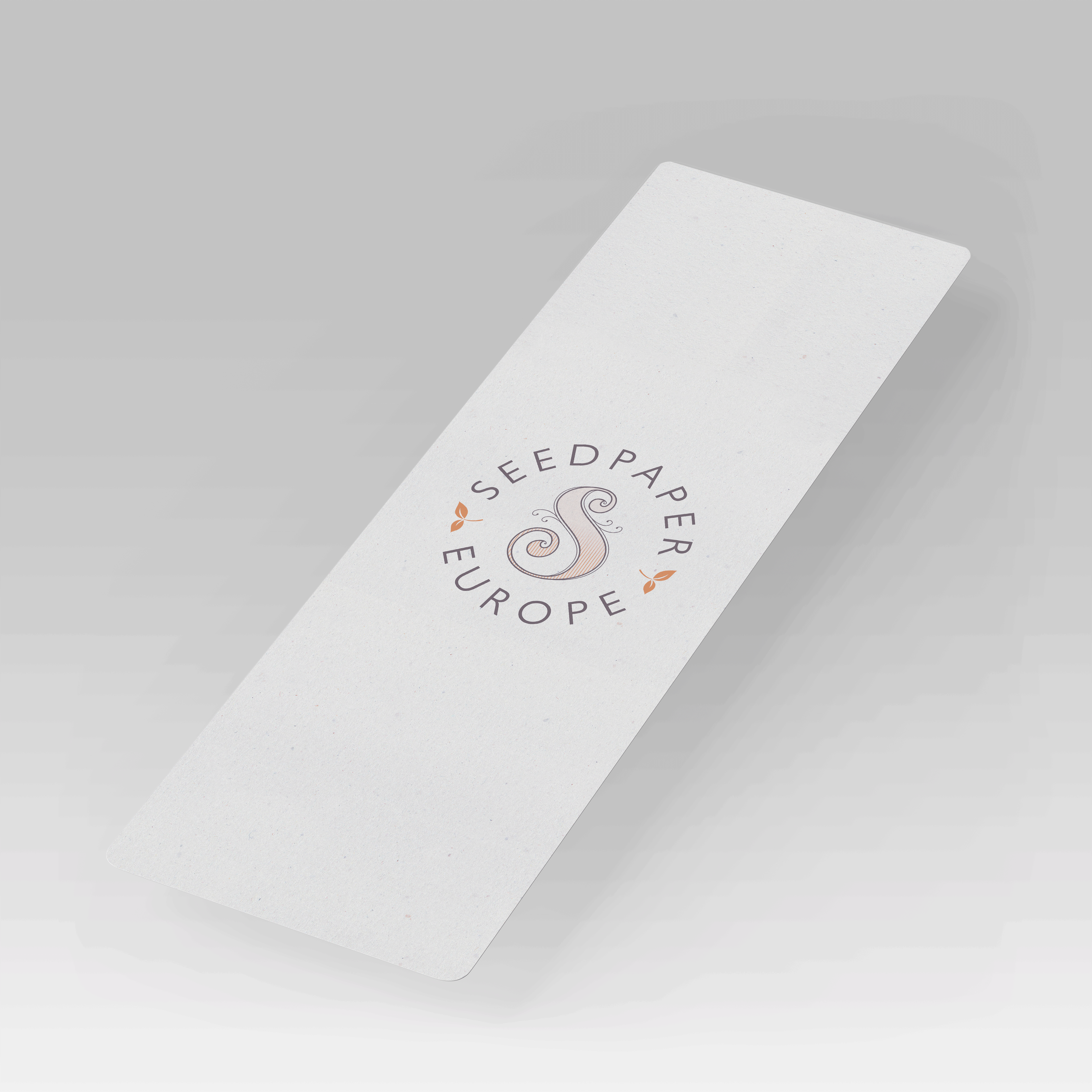
Our seed paper bookmarks offer a unique blend of practicality and purpose. Ideal for schools, libraries, nonprofits, and corporate giveaways, these plantable bookmarks turn reading into a greener experience. After use, simply plant them to grow into vibrant plants—making every bookmark a gift that keeps giving.
Seed Paper Tags
From retail packaging to wedding favors, our plantable paper tags add a sustainable finishing touch. Fully customizable in shape, color, and print, these tags help your brand or event stand out while remaining environmentally responsible.
Seed Paper Note Cards
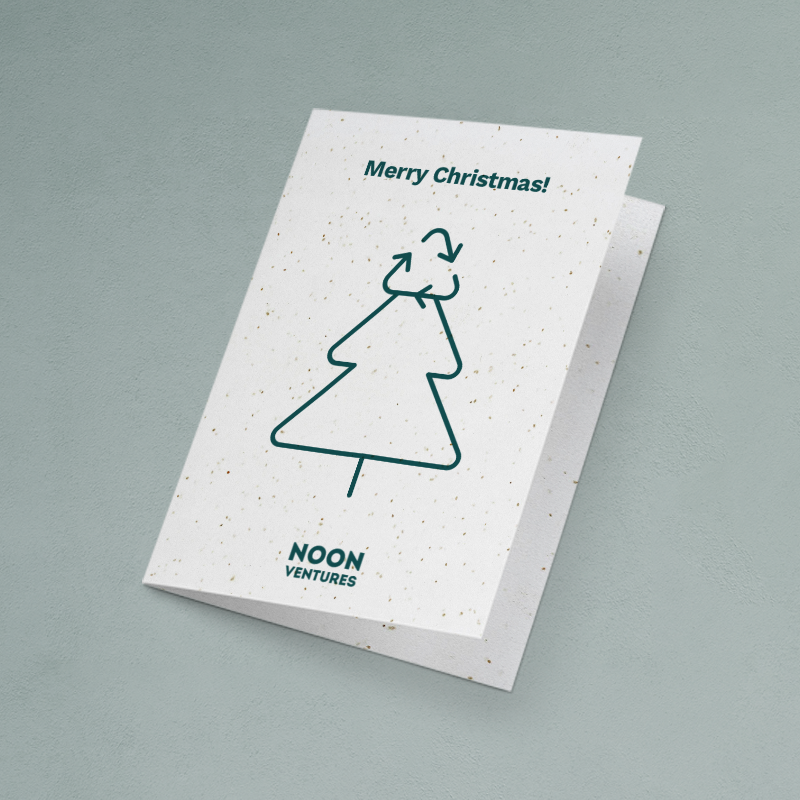
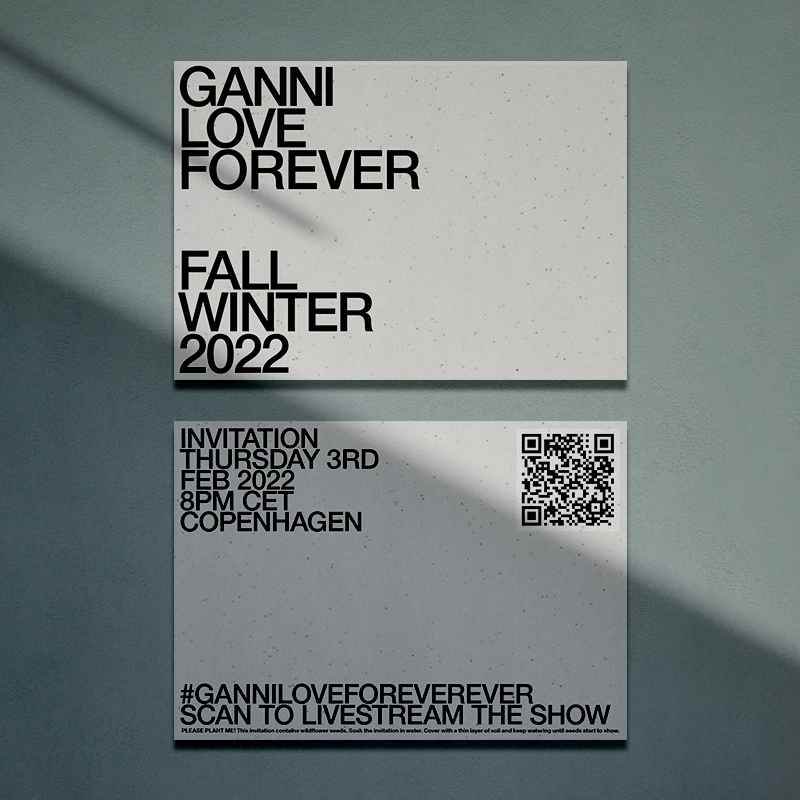
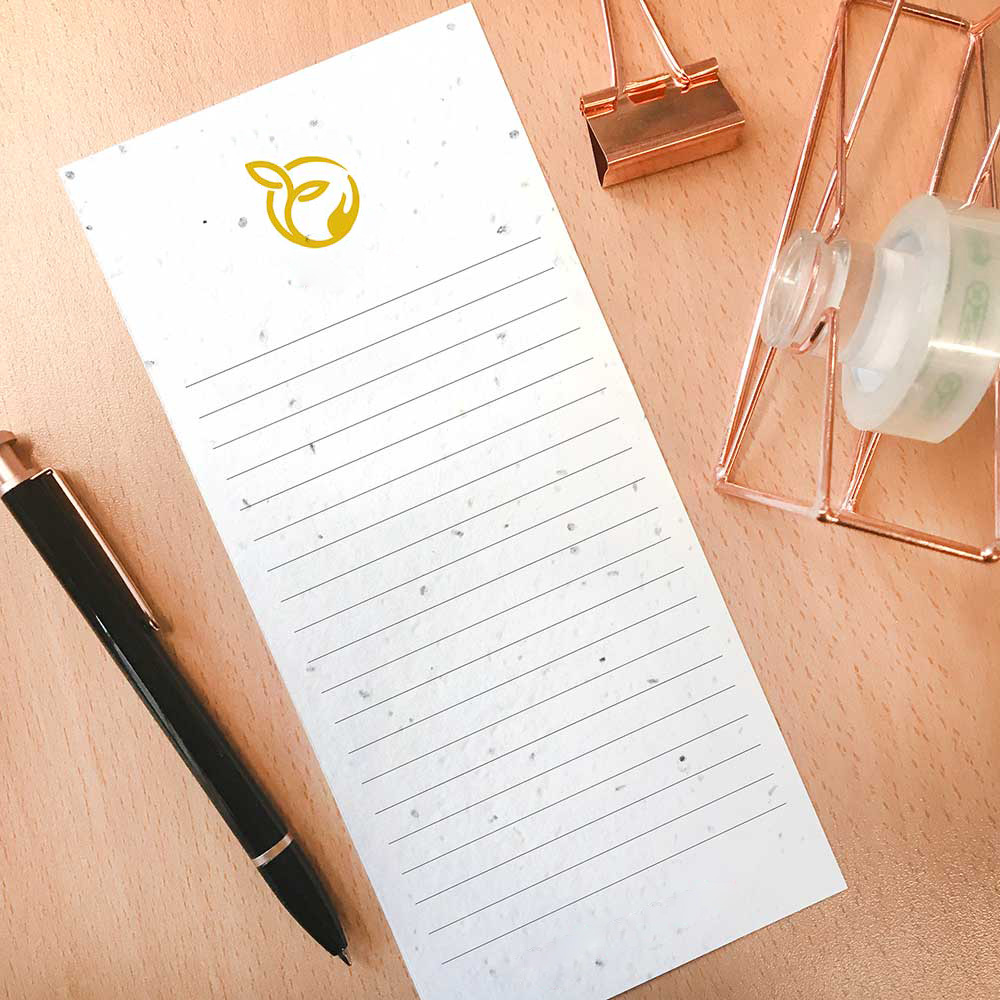
Send a message that grows. Our seed paper note cards are crafted using premium, biodegradable materials embedded with high-germination seeds. Whether you need thank-you cards, event invitations, or personalized stationery, every planted card becomes a living reminder of your thoughtfulness.
Seed paper Business Cards
Eco-friendly plantable business cards are a unique and memorable way to present your brand. Made from seed paper, they turn a simple introduction into a conversation starter and help your company stand out. Produced from recycled paper waste and fully biodegradable, they leave a positive impression without leaving waste behind.
Our Work
We partner with businesses, nonprofits, creators, and event planners to bring their sustainable ideas to life. From large-scale branded campaigns to intimate event stationery, our team is dedicated to producing plantable paper products that leave a positive impact.
Our work is driven by craftsmanship, creativity, and a commitment to reducing waste. Each project reflects our belief that printed materials should do more than deliver information—they should help the planet thrive.
Wildflower Seeds in our seed paper
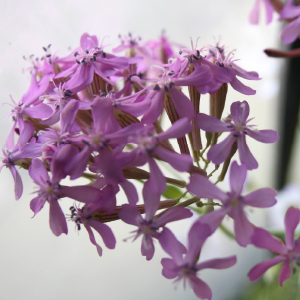
A blend of Catchfly (silene armeria), Sweet Alyssum (lobularia maritima), Snapdragon (linaria maroccana), Bird’s Eye (gila tricolor), Black Eyed Susan (rudbeckia hirta), and Clarkia (clarkia unguiculata).

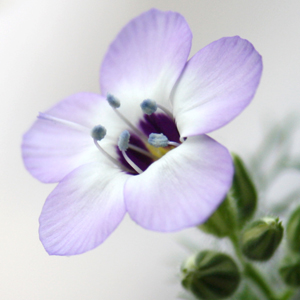
Bird's Eye - Annual (Gila tricolor)

Catchfly - Annual (Silene armeria)
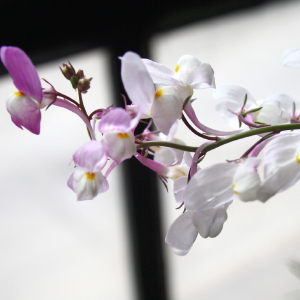
Snapdragon - Annual (Linaria)
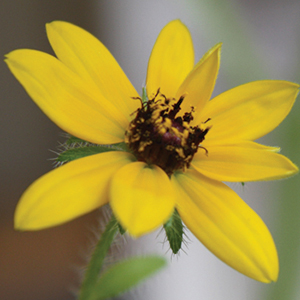
Black-Eyed Susan - Rudbeckia hirta (Perennial)
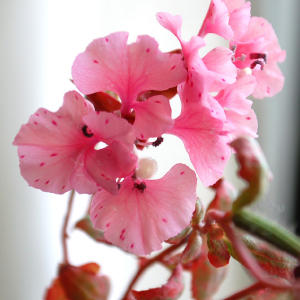
Clarkia - Annual (Clarkia unguiculata)
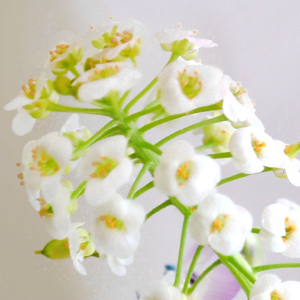
Sweet Alyssum - Annual (Lobularia maritima)
Learn About Our Mission & Impact
Our mission is simple: replace disposable paper with plantable paper that gives back to the earth. By choosing seed paper, you help reduce waste, lower carbon output, and support pollinator habitats.
Every sheet we produce is made using sustainable fibers, minimal water, and earth-friendly processes. Once planted, your printed piece transforms into flowers, herbs, or vegetables—creating beauty instead of landfill waste.
We’re committed to regenerative solutions that make sustainability accessible, creative, and impactful for everyone.
Seedpaper Europe
Seedpaper Europe provides professional printing on seed paper, tailored to international businesses.
With strong English-language skills and many years of experience, we ensure a smooth process from initial enquiry to final delivery – even across long distances.
Our background in graphic design and broad professional expertise enable us to offer qualified advice on the preparation of printed materials. Advice that can often result in significant savings for you.
Our in-depth knowledge of the many possibilities of seed paper allows us to help you avoid common pitfalls while opening up new and creative opportunities.
With us, you receive qualified input and constructive feedback throughout the process.
Seedpaper Europe is owned and operated by Allan Jørgensen, a trained graphic designer with more than 20 years of experience in the graphic industry.
Large customer base
We offer a wide range of printed materials used by many different types of organisations. A large proportion of our customers are repeat clients who value and benefit from our expertise.
Our regular customers typically include:
- Companies
- Institutions
- Associations
- Museums
- Sports clubs
- The catering and hospitality industry
- Large and small publishing houses
- Venues
- Printing companies
- "Our experience is your guarantee"
Frequently Asked Questions
Explore our most frequently asked questions to learn more about Seed Paper Europe and plantable seed paper. Can’t find what you’re looking for? Get in touch — we’re happy to help.
Seed Paper: A Truly Unique Material
Seed paper is something quite special. Both its texture and composition differ significantly from standard paper—and the same goes for the printing process itself.
Here is an overview of the most important facts about seed paper:
No “bright white” finish: Seed paper varies in shade and is rarely the bright, crisp white of conventional paper. This naturally gives the products a beautiful, rustic, and organic look.
Unique appearance for every seed type: Even within the same weight class, the look and feel can vary. For example, 250 gsm paper with forget-me-not seeds has a different texture and finish than 250 gsm paper with a wildflower mix. Please feel free to contact us for a sample if you would like to feel the difference before ordering.
Specific printing requirements: Unlike conventional paper, not all designs are suitable for seed paper. We recommend reviewing our design tips before placing your order to ensure the best results.
Minor layout variations: Printing on seed paper is not always 100% centered, and minimal deviations (at the millimeter level) may occur. This is due to the paper’s unique, textured surface, but these small irregularities are exactly what give the paper its handcrafted, natural charm.
Every product is one-of-a-kind: Due to the production method, every single sheet of seed paper is unique. Because the paper is made from recycled materials, you may see tiny specks of color or remnants from the original paper source. These are the details that give each card its own distinct personality.bright white,
Yes. We use environmentally safe inks that preserve seed viability while ensuring high-quality printing.
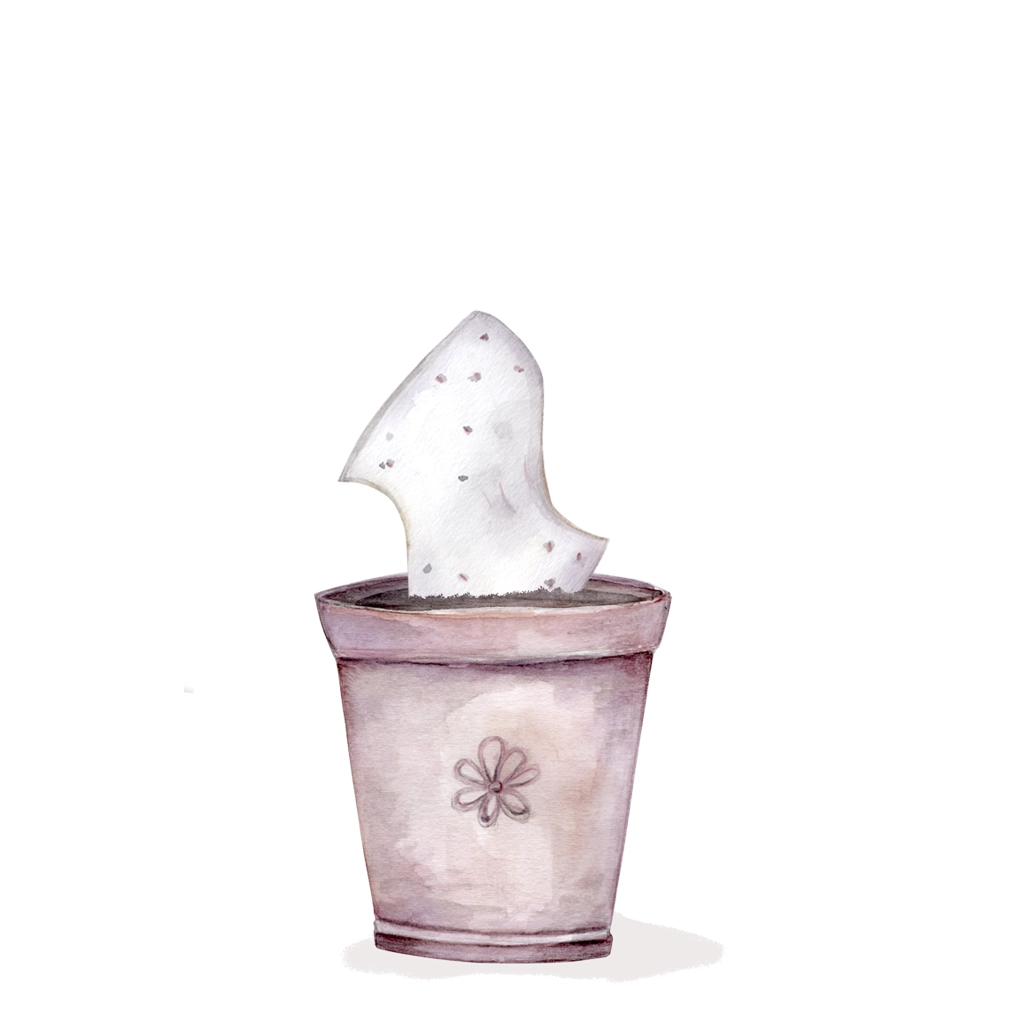
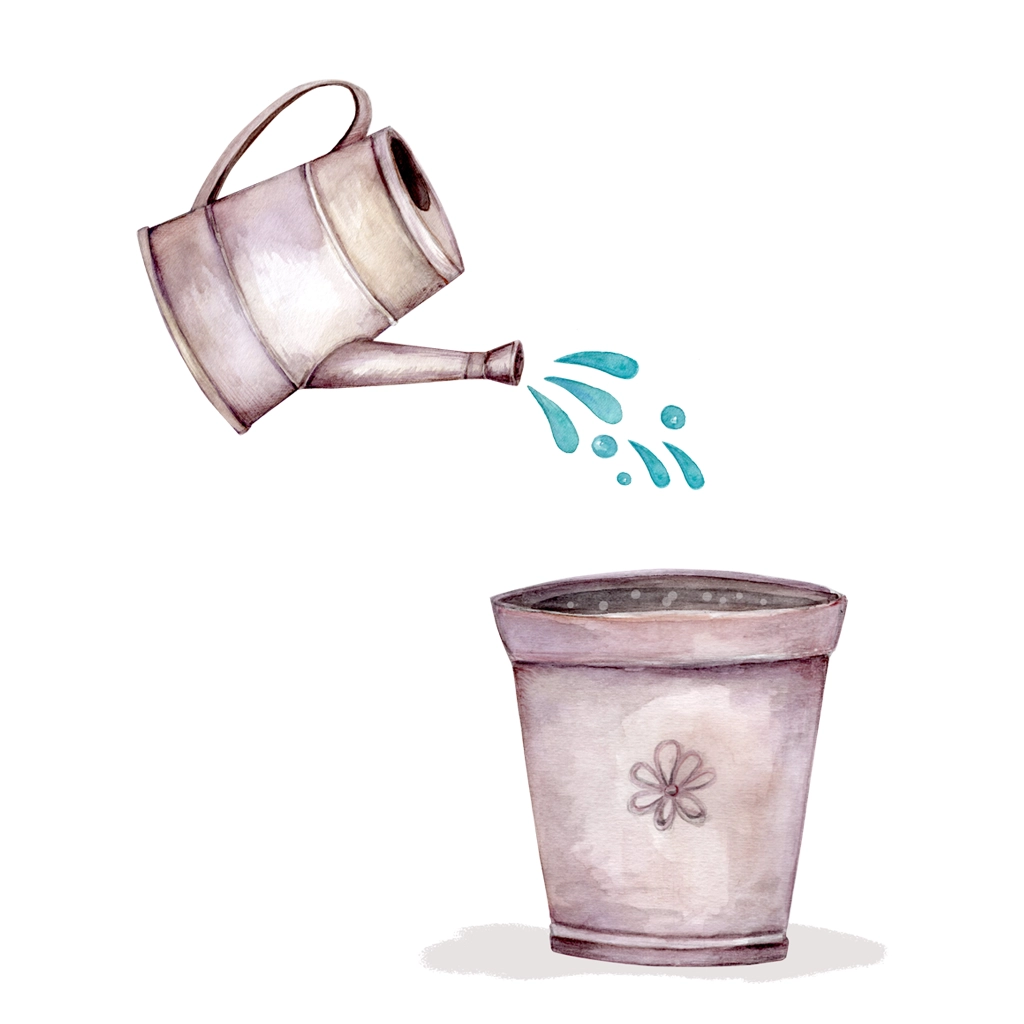
Place the paper under 1–2 cm of soil, water thoroughly, and keep the soil moist until the seeds sprout. Then simply enjoy watching your plants grow.
When stored in a cool, dry place, seed paper remains plantable for 1–2 years, depending on the type of seeds used.
Yes, absolutely. At Seed Paper Europe, every project is fully customised.
You can send us your own design, or our design team can help you create one from scratch that reflects your brand’s values.
The result is a truly unique and eco-friendly product.
We offer a wide variety of formats, including cards, folded leaflets, bookmarks, labels, and invitations.
All formats are made from our seeded paper and are ready to be planted.
If you have something different in mind, custom formats are also available.
Germination typically begins between 5 and 15 days after planting, provided the right conditions are met: sufficient light, water, and a mild temperature.
We recommend keeping the soil moist (but not waterlogged) and placing it in a warm location for best results.
Yes. We handle large-scale orders for corporate events, communication campaigns, and CSR initiatives.
Let us know how many units you need, and we’ll help you find the best logistical and customisation solution for your project.
Seed Paper Europe ships plantable paper products, including invitations and favours, throughout Europe. We deliver to all European Union countries and many destinations worldwide.
Please note that shipments outside the European Union may require an import or entry permit.
Our plantable seed paper is produced through a specialized, eco-friendly, and labor-intensive handmade process. Unlike mass-produced paper, this method is specifically designed to keep the embedded seeds “alive” and viable, ensuring they are ready to grow once planted.
Here is a step-by-step look at how our seed paper is crafted:
1. Sourcing Recycled Materials
The process begins with the collection of 100% post-consumer recycled paper. Our supplier collaborates with local schools and businesses to rescue paper that would otherwise end up in a landfill. This localized approach ensures a remarkably low carbon footprint.
2. Creating the Pulp
The collected wastepaper is shredded and soaked in water, then processed into a fibrous pulp. A key part of our “green” promise is that no chemicals or bleaching agents are added during this stage—only water is used to break down the fibers naturally.
3. Adding the Seeds
While the paper is still in its wet pulp form, high-quality, non-GMO seeds are mixed in. These seeds are sourced from the Netherlands. Depending on the product, the mix may include Snapdragons, Poppies, or Sweet Alyssum.
4. Hand-Forming the Sheets
Paper artisans use traditional frames to lift the pulp from the water, expertly forming individual sheets by hand. This artisanal technique ensures that the seeds are evenly distributed throughout the entire sheet of paper.
5. Natural Air Drying
Unlike industrial paper, which is dried using heated rollers (a process that would kill the seeds), Papermint’s paper sheets are left to dry naturally in the air. This slow drying process ensures the seeds remain dormant and healthy until the consumer is ready to plant them.
6. Specialized Printing
Standard laser printing uses intense heat and pressure, which can “cook” or crush the delicate seeds. To prevent this, Papermint utilizes a unique inkjet printing process featuring:
Water-based inks: These are non-toxic and eco-safe, ensuring no harm to the soil as the paper biodegrades.
Why It’s Different
Because it is handmade, the paper has a beautiful, textured, and slightly “off-white” appearance. You can often see and feel the seeds just beneath the surface. Once the paper has served its purpose—as a card, a tag, or an invitation—simply place it under a thin layer of soil and add water. Over time, the paper biodegrades while the seeds begin to sprout and bloom.